
As winter settles in, I find myself missing the frequent hikes and mushroom hunts of warmer seasons. Winter is conventionally not the ideal time for mushroom hunting. Most fungi stop producing mushrooms or fruits in early autumn. But, some fungi species show remarkable resistance and adapt to grow during the coldest parts of the year. Winter fungi seize the opportunity presented by less competition and a moist environment. They are often found on decaying wood, forest floor and sometimes even under snow.
How do mushrooms adapt to winter’s harsh conditions?
One strategy is the production of antifreeze-like compounds that protect their cells from freezing. These compounds, such as glycerol, trehalose, and certain proteins, lower the freezing point of the fungi’s internal fluids and prevent the formation of damaging ice crystals. Glycerol and trehalose are small sugar molecules that stabilize cell membranes and proteins during freezing, while specialized antifreeze proteins bind to ice crystals, inhibiting their growth. The production of these compounds is often triggered by environmental cues, such as a drop in temperature, which activate specific genes in the fungal genome. (read this article about cold tolerance of fungi)
Another notable adaptation is the structural resilience of winter fungi. Their cell walls are supported with chitin (read this), a tough and flexible biopolymer, which protects against physical stress caused by the environment. This ensures that the fungi can continue to grow and decompose organic material without being destroyed by environmental changes.
Here are some notable winter fungi:
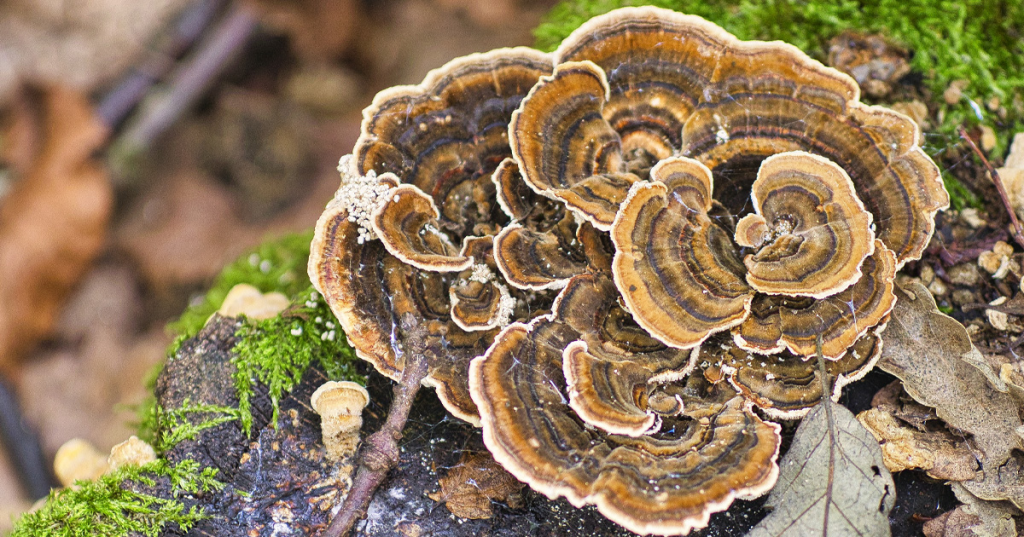
- Turkey tail (Trametes versicolor): This resilient winter fungus is easily recognized by its concentric and multicolored bands that range from shades of brown, orange, blue and white. The name of the fungi comes from its similarity to the fanned-out tail of a wild turkey. It is usually found on decaying wood. Beyond its ecological role as a decomposer, turkey tail stands out with its medicinal properties. This fungus contains polysaccharides, such as PSK (polysaccharide-K), which have been extensively studied for their immune-boosting and potential anticancer benefits. Check out this website to learn more about Turkey tail.

- Scarlet Elf Cup (Sarcoscypha spp.): This fungus stands out with its vivid red, cup-shaped fruiting bodies, and adds some color to the otherwise dull tones of winter. It is commonly found growing on decaying sticks and branches in damp woodlands. While they are not widely consumed, their striking appearance makes them a favorite subject for photographers.
- Velvet Shank (Flammulina velutipes): Its velvety dark brown stem gives it its name, and it thrives on decaying wood, particularly elm and willow. Velvet Shank is highly frost-resistant, able to thrive even in sub-zero temperatures due to its antifreeze-like compounds. Velvet Shank is also cultivated as enoki mushrooms, an important ingredient in Asian cuisine.
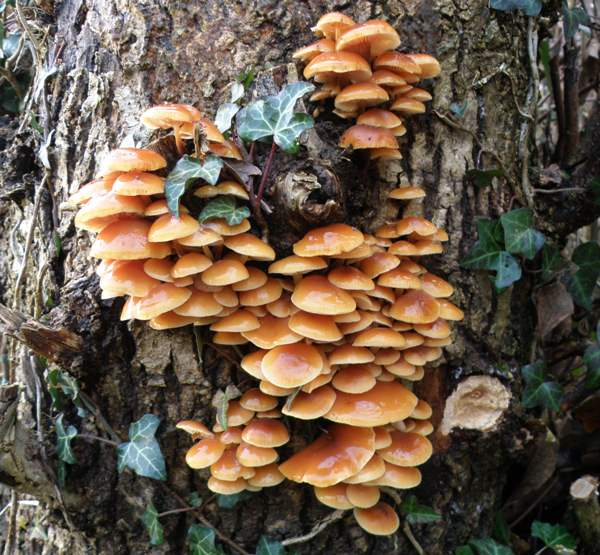
If you are interested in discovering more winter fungi, make sure to check out this video, which covers eleven species that can be found in western Pennsylvania.
Future of Winter Fungi
Winter fungi play an important role in supporting ecosystem dynamics during the coldest months of the year. However, the impacts of climate change are increasingly apparent, even within the resilient group of organisms. Rising global temperatures and shifting weather patterns present challenges for winter fungi.
Warmer winters mean shorter and less intense cold periods. Without the cold, fungi’s ability to perform ecological roles such as breaking down organic matter and cycling nutrients is diminished, which disrupts the balance of winter ecosystems.
At the same time, milder winters open the door for fungi adapted to warmer conditions to spread into areas once dominated by winter fungi. This growing competition for resources could push cold-loving species out, further altering the dynamics of these ecosystems.
Understanding the responses of winter fungi to climate change is important for predicting broader ecological impacts and developing strategies for forest conservation and resilience in a rapidly changing world.
***
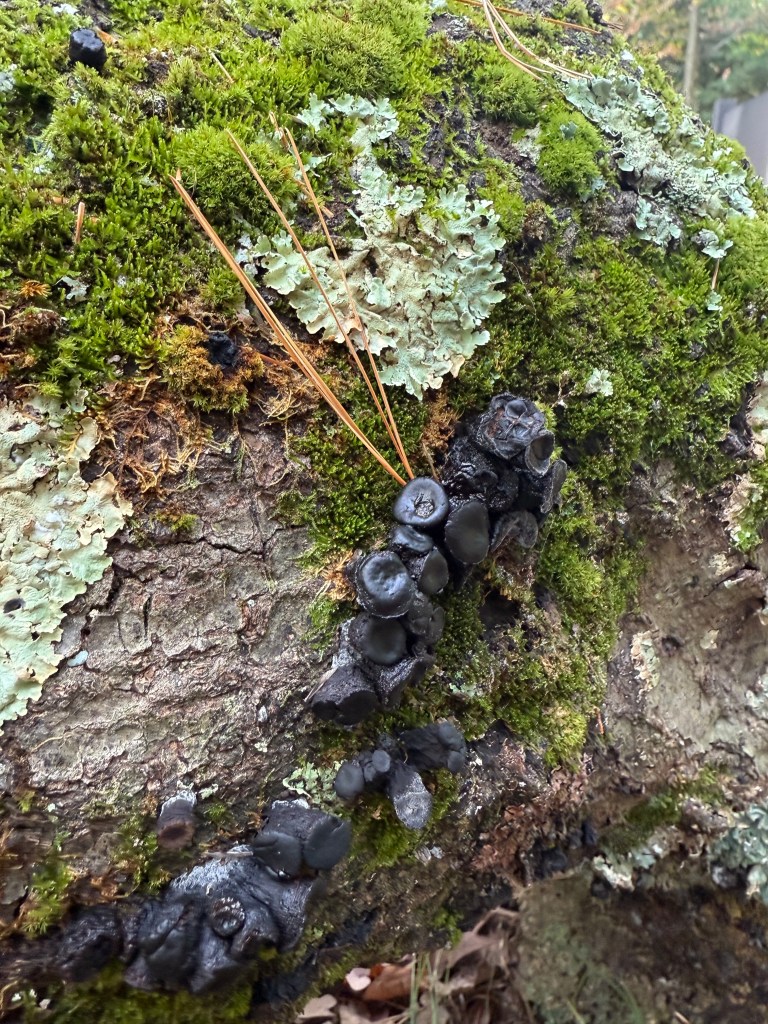
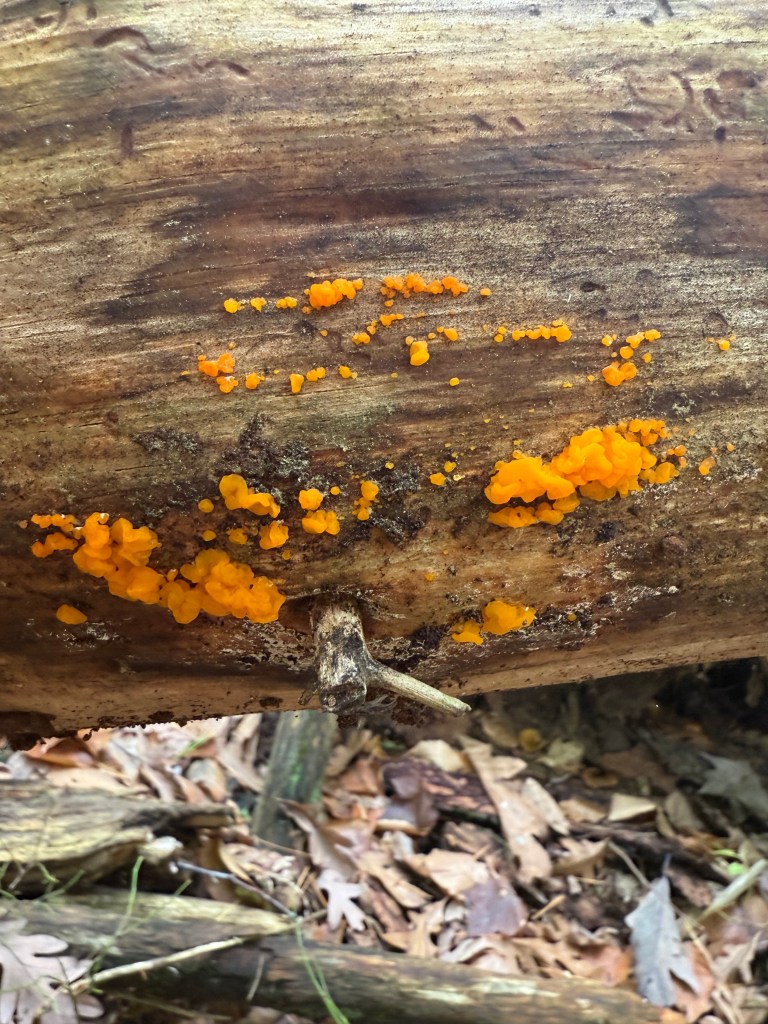
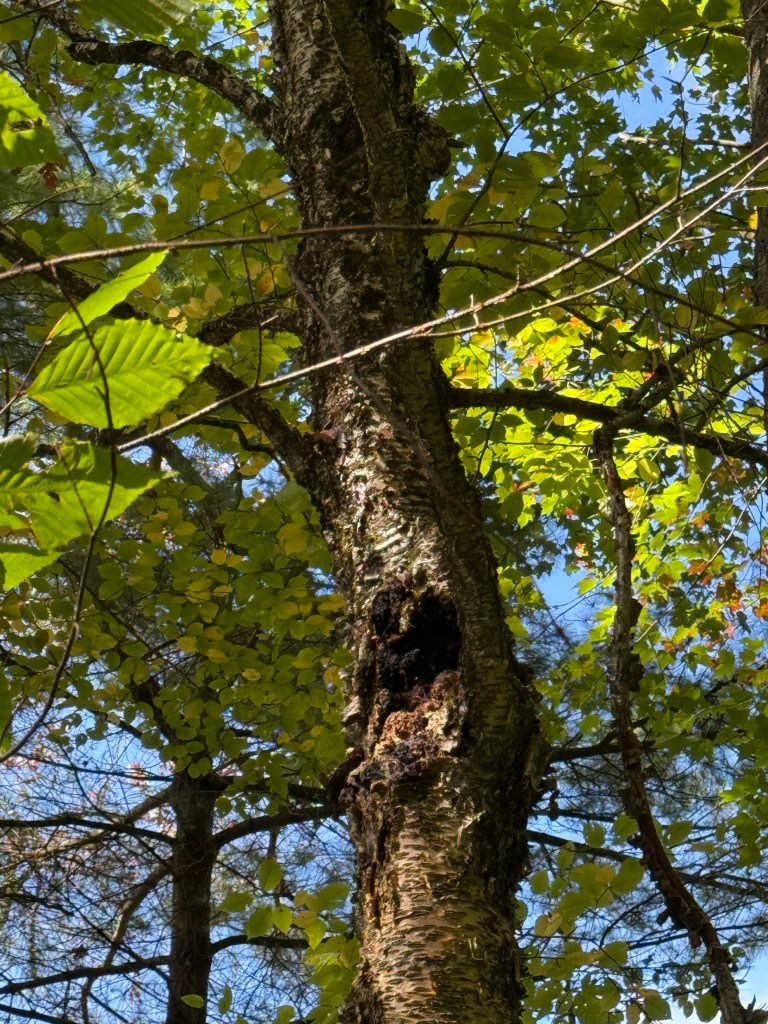
Here are some Winter Fungi I’ve captured …
 fungitopia.org
I’m new to mushroom foraging and always thought it was just a spring-to-fall thing. Excited to find out I can hunt for fungi in winter too!
LikeLiked by 1 person