What if the secret to glowing and youthful skin had been growing in the forest all along? Today, fungi are stepping out of the woods and into the spotlight as natural ingredients that transform the future of cosmetics.
The beauty industry has long turned to nature for inspiration, but mushrooms bring something extraordinary to the table: bioactive compounds that hydrate, protect, and restore the skin in ways few other natural ingredients can.
Some of the most popular cosmetic mushrooms include:
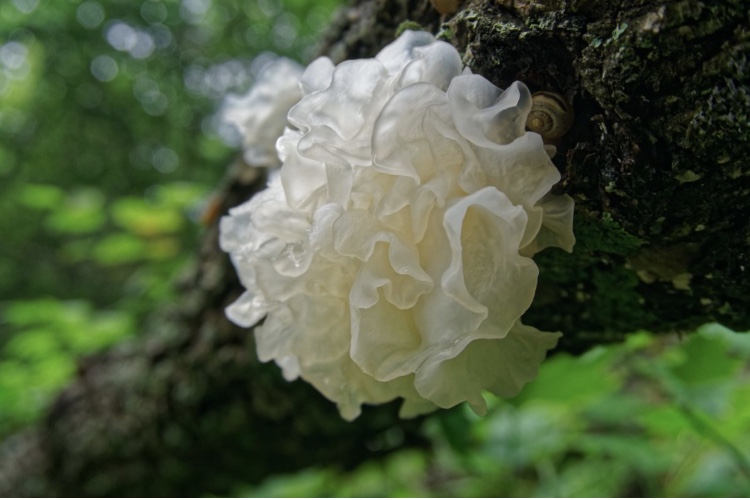
Snow mushroom (Tremella fuciformis) is a translucent, jelly-like fungus that has a long history in East Asian beauty rituals. Modern science explains why: deep hydration. It can absorb and retain 500 times its weight in water. It forms a light, flexible film over the skin that locks in moisture. Unlike hyaluronic acid, whose larger molecules can struggle to penetrate the skin, Tremella’s smaller molecular structure allows it to deliver hydration more deeply and evenly.
Skin aging is caused largely by oxidative stress and the buildup of reactive oxygen species (ROS) that damage collagen, elastin, and DNA. Lab studies proved that Tremella polysaccharides get in the way of skin aging by reducing ROS production by around 50%, decreasing cell death, and activating an enzyme called SIRT1 that stabilizes DNA and supports cell survival.
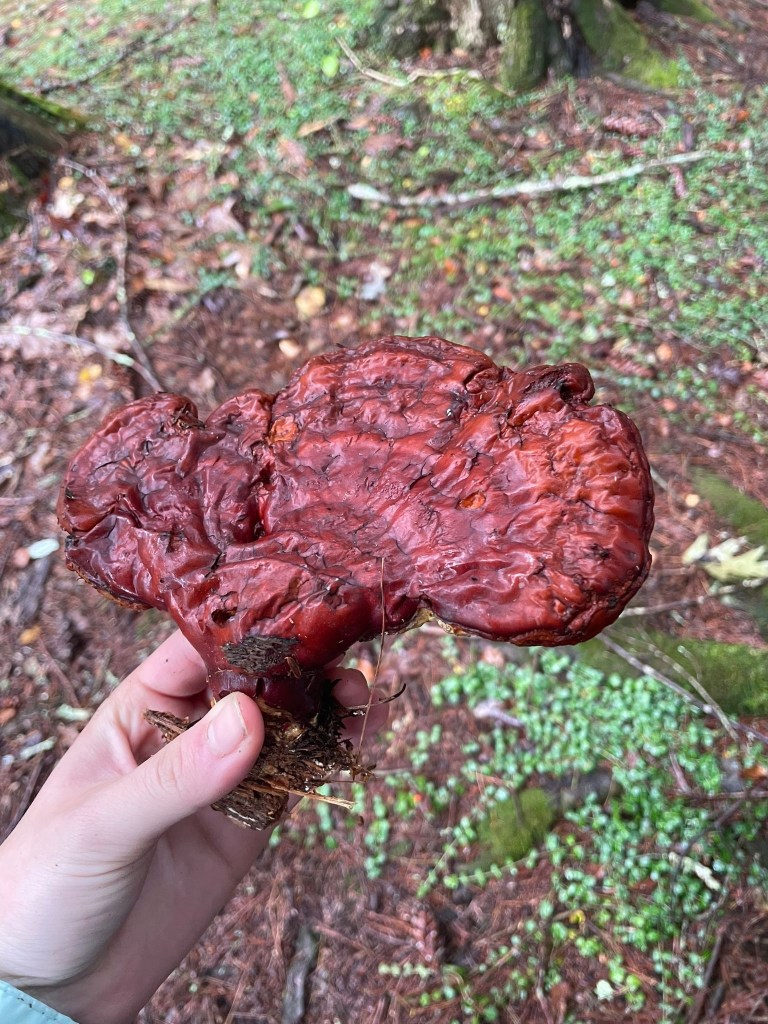
Reishi (Ganoderma lucium): This is a reddish/brown mushroom that grows at the base of trees or on tree trunks. It’s been prized in traditional Chinese medicine for over 2,000 years, and is often referred to as “the mushroom of immortality”. In ancient China, it was reserved for emperors or healers who saw it as a bridge between physical vitality and spiritual well-being.
Modern science has since confirmed that Reishi’s reputation is well-earned. Its chemical complexity makes it one of the most multifunctional mushrooms for skin health.
The mushroom contains three main groups of bioactive compounds: triterpenoids, beta-glucans, and ganoderic acids. Triterpenoids are potent anti-inflammatories that help soothe irritation, reduce redness, and protect skin cells from oxidative stress. β-glucans are natural polysaccharides that improve hydration and stimulate collagen synthesis. Ganoderic acids, which are unique to Reishi, have both antioxidant and anti-aging effects; they scavenge free radicals, suppress inflammatory molecules and inhibit enzymes responsible for hyperpigmentation. Due to these beneficial compounds, Reisi is claimed to have an adaptogenic effect, meaning that it helps skin adapt and respond to stress.
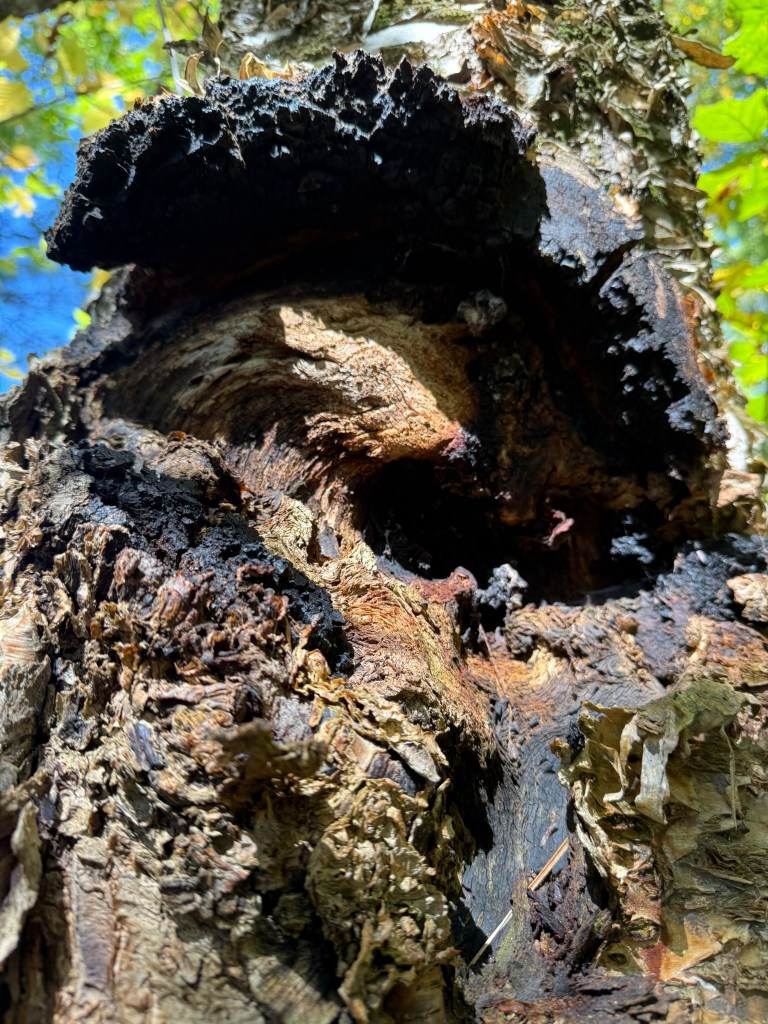
Chaga: Growing on birch trees in cold northern forests, Chaga looks more like burnt charcoal than a mushroom, but its chemical profile is nothing short of spectacular. It’s packed with melanin, polyphenols, and superoxide dismutase, one of the most potent antioxidant enzymes. These compounds protect cells from damage by neutralizing the free radicals generated by UV exposure and pollution, which can contribute to premature aging. You can check out this article to read about chaga’s unmatched contributions to cosmetics along with its medicinal properties.
Cordyceps: Most of you have probably heard of Cordyceps from the HBO series Last of Us. In my post “Zombie-ant fungus”, I introduced them as these eerie, bizarre fungi that hijack insects’ bodies to ensure their own survival. Despite this notorious reputation, humans have found a way to tap into the unique compounds they produce to advance cosmetics.
A clinical study conducted this year investigates how Cordyceps-based skincare performs in women with melasma. Melasma is a chronic hyperpigmentation disorder characterized by dark patches on the face. Conventional treatment involves hydroquinone, a potent skin-lightening agent, but its side effects such as irritation, inflammation, and long-term pigment loss have prompted interest in safer, natural alternatives. This study explored whether a Cordyceps-based essence could match hydroquinone’s efficacy with fewer side effects. Over 12 weeks, both treatments reduced pigmentation by about 30–35%, yet irritation occurred in only 3% of the Cordyceps group compared to nearly 14% with hydroquinone. Researchers attributed Cordyceps’ benefits to its rich mix of antioxidants, ergothioneine, and polysaccharides, which reduce oxidative stress, reduce inflammation, and support skin repair.
To read a more general overview of its benefits, check this out!
Science of fungal fermentation
Traditional fermentation is the process we know from foods like yogurt, kombucha, and kimchi. It relies on naturally occurring microorganisms to break down complex organic materials into simpler compounds. A new advancement, known as precision fermentation, takes this concept into the realm of biotechnology. Instead of simply letting microbes ferment an ingredient, scientists program specific microorganisms to produce precise target molecules. Using genetic information (like a DNA sequence from a mushroom or plant), they can instruct these microbes to make a single desired compound in a controlled environment.
This advancement has implications for cosmetics as well. Now, scientists don’t have to extract small amounts of bioactive compounds from fungi. They can directly grow them in the labs through precision fermentation. This approach makes the process far more efficient, sustainable, and precise. By growing ingredients like ergothioneine, kojic acid, collagen peptides, or hyaluronic acid in a controlled environment, scientists can ensure purity and consistency that natural extraction can’t match.
Most importantly, precision fermentation allows researchers to access compounds that are rare or unstable in nature. For example, certain antioxidants might exist naturally in fungi but are too scarce to extract at scale or degrade quickly. Through precision fermentation, researchers can replicate and produce these molecules consistently in the lab, preserving their structure and efficacy.
 fungitopia.org